Plank Failures
Broken, missing, or improperly secured planks producing falls through the deck.

Scaffolding Accident Attorney · South Florida
Scaffolding collapses and falls trace back to assembly errors, missing planks, defective ties, or competent-person failures. The records show it.
OSHA's scaffolding standard, 29 CFR 1926 Subpart L, sets the duties for design, erection, inspection, and use of scaffolds on construction sites. Competent-person requirements, fall protection thresholds, planking and decking rules, and tie-in standards all create case theories when violations contribute to an injury.
The Marin Law Offices builds scaffolding cases by auditing the project's compliance file against Subpart L. Third-party liability against the general contractor, the scaffold supplier, and the erection crew often expands recovery well beyond workers' compensation.
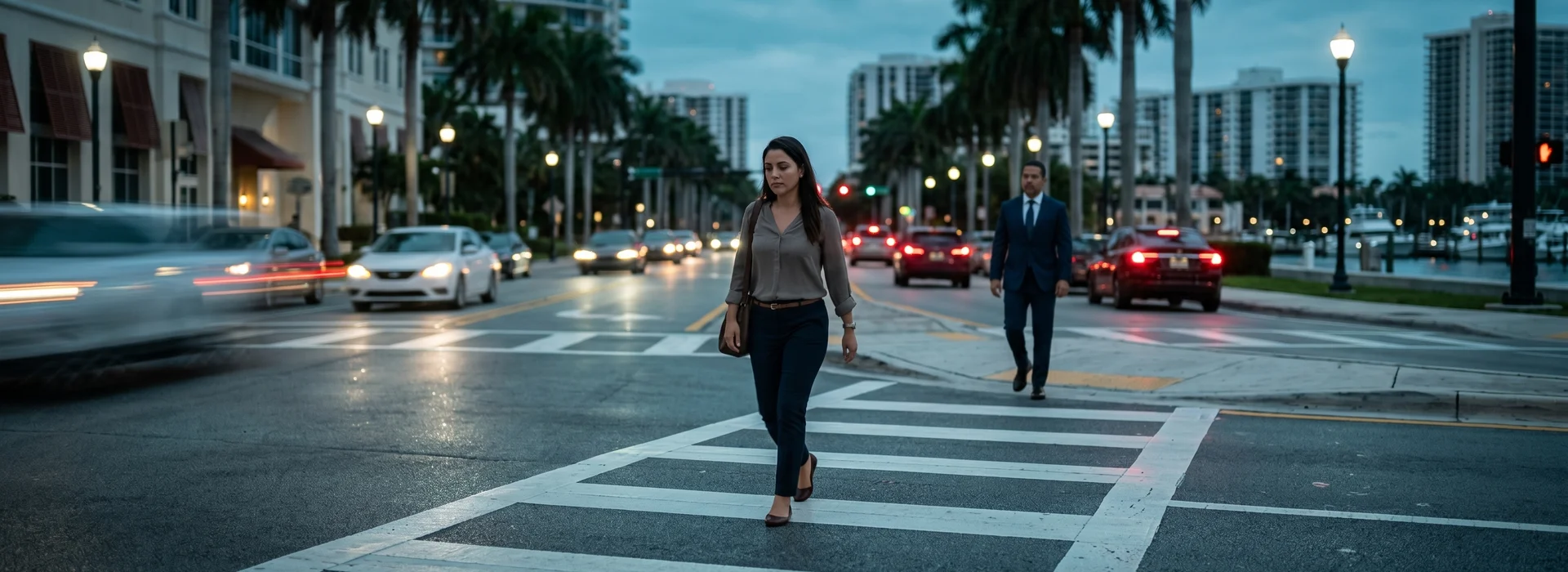
Specific levers in Subpart L claims.
Subpart L requires a competent person for design, inspection, and supervision. Failures here support negligence claims.
Missing planks, gaps, and improper decking are common contributors to falls. Photographs and inspection logs reveal them.
Improper ties and missing bracing cause collapses. Manufacturer specifications versus actual installation reviewed.
GC, scaffold supplier, erection crew, and equipment manufacturer each face independent exposure.
Full case handling in English and Spanish, critical in South Florida construction.
Free consultations and contingency-fee representation.
Common failure modes that produce scaffolding injuries.
Broken, missing, or improperly secured planks producing falls through the deck.
Inadequate scaffold-to-structure ties producing tip-over or sway collapse.
Collapses during weather events where bracing or anchoring was inadequate.
Material and worker load exceeding scaffold rated capacity.
Assembly mistakes by erection crews, often unfamiliar with manufacturer specifications.
Absence of guardrails or personal fall-arrest systems above 10 feet.
From first call through resolution.
We identify the project, GC, scaffold supplier, and erection crew, and explain the workers' comp plus third-party tracks.
Site photographs, equipment, and OSHA inspection records preserved. Citation history for the project pulled.
Compliance audited against the standard. Competent-person, planking, tie-in, and fall-protection requirements each evaluated.
Documented demand against every third party identified. Litigation alongside workers' comp coordination.
★★★★★
5.0 from 50 Google reviews
★★★★★
“What an amazing attorney. Always helpful, very attentive, very professional. I would recommend his firm to anyone needing a lawyer.”
Daniel
★★★★★
“Donny Marin is an exceptional attorney. Always answers the phone, very attentive, never rushed, pays great attention to detail, and always delivers.”
Naaman
★★★★★
“Donny has been a phenomenal person to work with during my legal representation. Very professional, supportive, honest, and will fight for your case.”
Adam
Representative Workflow
The Problem
A worker is on a frame scaffold at the third level when one of the supporting ties fails and the section collapses. The injuries are surgical. Workers' comp begins covering medicals, but does not address pain and suffering or future earning capacity.
Our Approach
The firm pulls the OSHA inspection file, the GC's site-safety plan, and the scaffold manufacturer's specifications. Witness statements and photographs show the GC's failure to enforce the safety plan and the erection crew's deviation from the spec.
The Outcome
Third-party claims against the GC and the scaffold supplier proceed alongside the comp claim. Multiple coverage layers open above the comp recovery for full damages.
GC + supplier + erection crew
Third parties identified
Yes
OSHA file pulled
$0
Up-front client cost
English & Spanish
Languages of service
Closely related construction-injury topics.
Free Consultation · English & Spanish
Third-party liability often opens far more recovery than comp alone. A free, no-pressure call maps the parties responsible.