Wet-Pavement Jackknifes
Reduced traction crashes where braking inputs trigger trailer rotation.

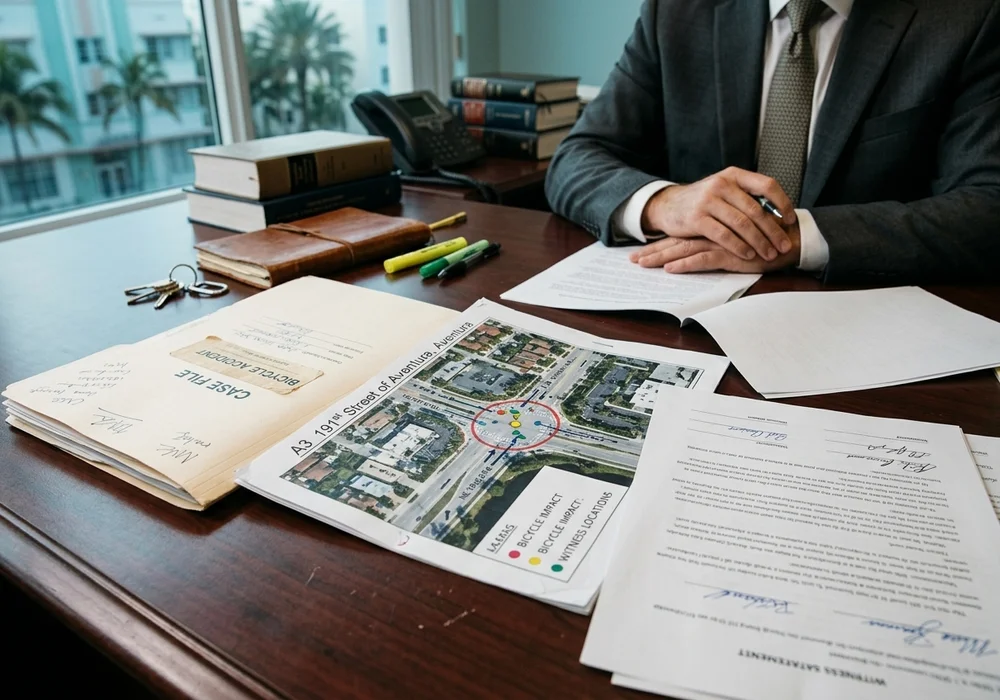
Jackknife Accident Attorney · South Florida
Jackknife crashes rarely happen randomly. Brake adjustment, load distribution, and driver training each leave their fingerprints on the wreck.
A jackknife happens when the tractor and the trailer rotate around the fifth-wheel coupling until they form an acute angle. The cause is almost always one of three: brakes that are out of adjustment or unevenly applied, a load distribution that exceeds the chassis design, or a driver who lacked the training to handle a panic-braking event on wet pavement.
The Marin Law Offices builds jackknife cases by examining each of those failure modes against the carrier's records. Brake-stroke measurements, maintenance logs, load manifests, and driver training files each tell part of the story.
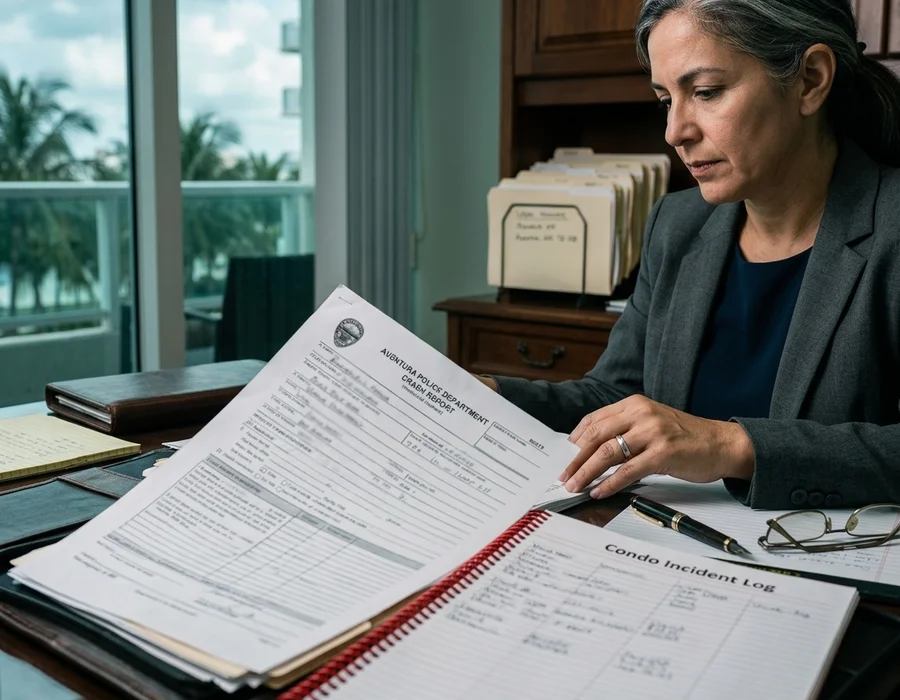
The three failure modes and how we document each one.
Stroke measurements, slack-adjuster condition, drum and lining wear, and the carrier's inspection compliance reviewed in detail.
Bills of lading, load diagrams, axle weights, and any cargo-securement records examined for distribution issues.
Skid-recovery, wet-pavement, and emergency-braking training documented or absent in the driver's qualification file.
Preservation letters dispatched within days. ELD, dashcam, dispatch, maintenance, and load records locked down.
Full case handling in English and Spanish.
Free consultations and contingency-fee representation.
The specific failure modes that produce jackknife crashes.
Reduced traction crashes where braking inputs trigger trailer rotation.
Brakes that fail or grab unevenly after water exposure or condensation.
Tractor and trailer brakes applying unevenly due to maintenance failure.
Loads outside design weight or with a high center of gravity that destabilize the trailer.
Wind-induced trailer movement combined with steering or brake inputs.
Drivers without training in skid-recovery or wet-pavement braking technique.
From the first call through resolution.
We review what happened, identify the carrier, and explain how the brake, load, and training records will shape the case.
Preservation letters dispatched. Post-crash inspection records, brake measurements, and load manifests preserved early.
Each of the three failure modes evaluated. Expert mechanical and reconstruction analysis where appropriate.
Documented demand against the carrier and any other liable parties. Litigation when negotiation will not produce a fair recovery.
★★★★★
5.0 from 50 Google reviews
★★★★★
“We had a wonderful experience with this law firm, especially with Mr. Donny Marin. Would definitely recommend.”
Jenny
★★★★★
“Amazing experience with Mr. Marin. The whole process was quick and efficient. Definitely recommend.”
Sharon
★★★★★
“Donny Marin is an exceptional attorney. Always answers the phone, very attentive, never rushed, pays great attention to detail, and always delivers.”
Naaman
Representative Workflow
The Problem
A driver is struck on I-95 after a tractor-trailer jackknifed during a hard brake on wet pavement. The carrier blames sudden rain and an unavoidable emergency stop ahead. Initial coverage offers track to PIP plus a low BI tender.
Our Approach
The firm sends a spoliation letter the day intake is completed and preserves the post-crash inspection. Brake-stroke measurements show the tractor's brakes were out of adjustment on multiple axles. The maintenance log shows the carrier missed two scheduled inspections.
The Outcome
The unavoidable-emergency framing collapses against documented brake-maintenance failure. The case proceeds against the carrier's full coverage stack with negligent-maintenance support, including any excess and umbrella layers.
Out of adjustment, multi-axle
Brake-stroke measurements
2 scheduled
Inspections missed
$0
Up-front client cost
English & Spanish
Languages of service
Closely related tractor-trailer and commercial-vehicle topics.
Free Consultation · English & Spanish
Brake measurements and maintenance logs disappear or get overwritten quickly. A free, no-pressure call starts the preservation process.