Raised Threshold Cases
Doorway and corridor thresholds exceeding ADA's quarter-inch and half-inch beveled limits.


Trip and Fall Attorney · South Florida
Uneven flooring, raised thresholds, exposed cords, and poor lighting cause falls that produce serious injury. Code compliance often controls the case.
Trip-and-fall claims arise from raised thresholds, uneven flooring, broken or heaved pavement, exposed cords, poor lighting, and other surface conditions that should not have been there. The cases often involve the Florida Building Code, ADA Accessibility Standards, and property maintenance practices.
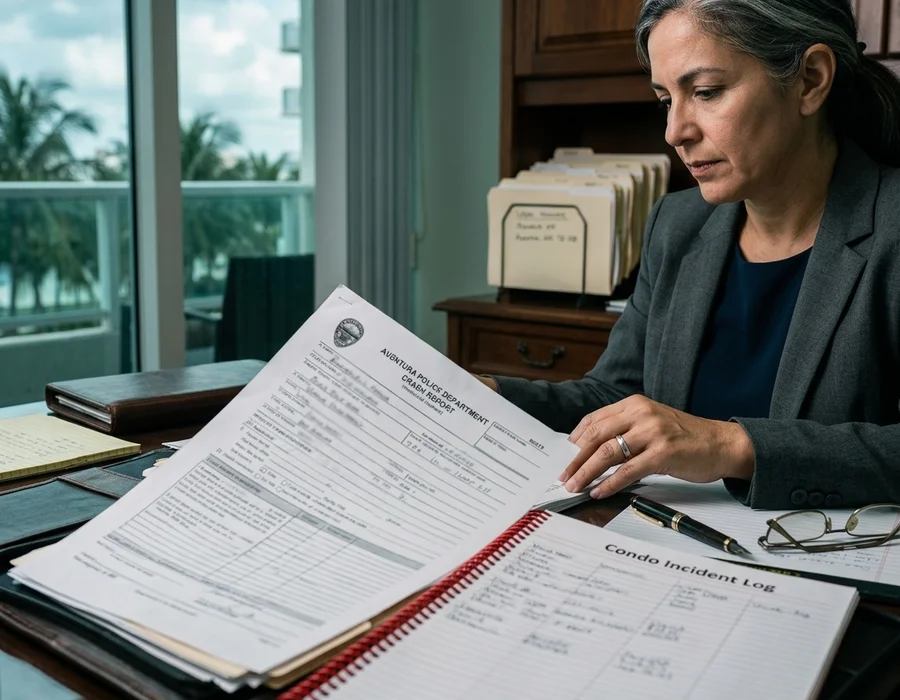
The Marin Law Offices builds trip-and-fall cases on code compliance, maintenance history, and prior-incident pattern. Surveillance preservation matters less than in slip cases, but inspection logs and repair records matter just as much.
Specific levers in surface-condition claims.
Florida Building Code, ADA Accessibility Standards, and applicable industry standards measured against the actual condition.
Repair tickets, inspection logs, and work orders pulled to document notice or its absence.
Similar incidents at the same location strengthen the constructive-knowledge case.
Illumination levels measured and compared against industry standards for the location.
Full case handling in English and Spanish.
Free consultations and contingency-fee representation.
Common surface-condition scenarios.
Doorway and corridor thresholds exceeding ADA's quarter-inch and half-inch beveled limits.
Tile, carpet, and concrete transitions that create unexpected level changes.
Power cords, vacuum cords, and cables running across pedestrian paths without covers.
Stairs, walkways, and parking areas with illumination below code or industry standards.
Tree roots, settling, and weather-related sidewalk damage producing trip hazards.
Variable riser heights, missing handrails, and worn nosing on stairways.
From first call through resolution.
We review what happened, the property type, and the visible condition that caused the fall.
Scene measurements compared against Florida Building Code, ADA standards, and industry guidance.
Repair tickets, inspection logs, and prior incidents pulled to document constructive knowledge.
Documented demand presented to the property's insurer. Litigation when negotiation will not produce a fair recovery.
★★★★★
5.0 from 50 Google reviews
★★★★★
“Literally the best experience. 10/10 recommend!”
Frankeria
★★★★★
“We had a wonderful experience with this law firm, especially with Mr. Donny Marin. Would definitely recommend.”
Jenny
★★★★★
“Donny Marin is an exceptional attorney. Always answers the phone, very attentive, never rushed, pays great attention to detail, and always delivers.”
Naaman
Representative Workflow
The Problem
A guest trips on a raised threshold at the entrance of a Miami office building. The threshold rises three-quarters of an inch above the surrounding floor without a bevel. The property points to long-standing presence and disputes notice.
Our Approach
The firm measures the threshold, photographs the absence of a bevel, and references ADA Accessibility Standards for the quarter-inch and half-inch beveled limits. The property's maintenance records reveal no prior remediation despite long-standing presence.
The Outcome
Code non-compliance becomes the negligence theory. Long-standing presence supports, rather than defeats, the constructive-knowledge case. The property's insurer engages on documented evidence.
Three-quarter inch, no bevel
Threshold height
Half-inch beveled max
ADA standard
$0
Up-front client cost
English & Spanish
Languages of service

Closely related premises and personal-injury topics.
Free Consultation · English & Spanish
Code-compliance and maintenance records are easier to preserve early. A free, no-pressure call starts the work today.