Rideshare Passenger Injuries
Passengers injured during an active trip. Top-tier coverage typically applies.


Rideshare Accident Attorney · South Florida
Uber and Lyft crashes turn on app status at impact. We confirm the period of operation and pursue the correct coverage layer.
Uber and Lyft drivers carry layered insurance that turns on the driver's app status at the time of the crash. App off, app on with no ride accepted, en route to a passenger, and on trip with a passenger each unlock different coverage levels. The top tier reaches one million dollars in liability coverage from the rideshare carrier.
The Marin Law Offices confirms the app status through driver records and platform data, then targets the correct coverage layer. Where the driver was off-app, personal auto coverage applies. Where the driver was active, the rideshare commercial policy is in play.
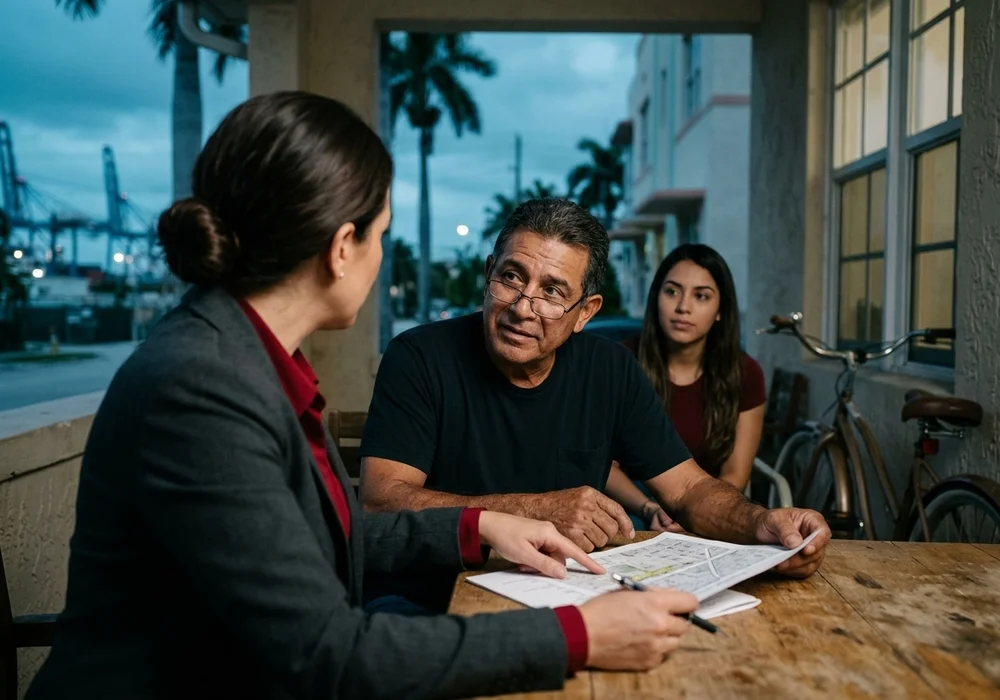
The specific levers in Uber and Lyft claims.
Driver app screens, trip receipts, and platform-side data confirm the period of operation at impact.
Personal auto, contingent rideshare, and the rideshare carrier's $1M policy each apply in different stages.
Recovery analysis differs for rideshare passengers, third-party drivers, and pedestrians struck by rideshare vehicles.
Uber and Lyft policies include UM/UIM coverage that often applies to injured passengers.
Full case handling in English and Spanish.
Free consultations and contingency-fee representation.
How different rideshare crash configurations work in South Florida.
Passengers injured during an active trip. Top-tier coverage typically applies.
Drivers struck by an Uber or Lyft vehicle. Stage at impact controls coverage.
Vulnerable road users hit by a rideshare driver. Coverage analysis turns on app status.
Uber's layered policy and the platform's UM/UIM rules.
Lyft's parallel coverage stack and trip-log requirements.
Surgical or long-recovery cases requiring expert damages workup.
From first call through resolution.
We confirm whether you were a passenger, another driver, or a pedestrian, and we identify the rideshare driver's app status.
Trip receipts, driver-screen captures, and platform-side preservation letters issued early.
Personal auto, contingent rideshare, $1M commercial layer, and UM/UIM all assessed against the app status at impact.
Documented demand presented to the correct insurer. Suit filed where the platform or insurer disputes coverage or value.
★★★★★
5.0 from 50 Google reviews
★★★★★
“We had a wonderful experience with this law firm, especially with Mr. Donny Marin. Would definitely recommend.”
Jenny
★★★★★
“What an amazing attorney. Always helpful, very attentive, very professional. I would recommend his firm to anyone needing a lawyer.”
Daniel
★★★★★
“Donny has been a phenomenal person to work with during my legal representation. Very professional, supportive, honest, and will fight for your case.”
Adam
Representative Workflow
The Problem
A passenger is injured during an active Uber ride when the driver runs a red light. The personal insurer denies the claim citing the commercial-use exclusion. The trip is in progress, but the carrier delays acknowledging the platform layer.
Our Approach
The firm preserves the trip receipt, driver-app screen capture, and platform trip log. A platform-side preservation letter goes out promptly. Coverage analysis confirms the top-tier $1 million policy applies during the active trip.
The Outcome
Coverage is recognized against the rideshare commercial policy. The passenger's claim proceeds against the appropriate layer, and personal-insurer denial becomes a non-issue.
On trip
App status at impact
$1M commercial
Policy layer activated
$0
Up-front client cost
English & Spanish
Languages of service
Closely related rideshare topics and adjacent practice areas.
Uber Accident Lawyer
Uber-specific coverage analysis.
Lyft Accident Lawyer
Lyft-specific coverage analysis.
Uninsured Motorist Lawyer
UM/UIM coverage analysis through the platform.
Auto Injury Lawyer
General auto injury claim work.
Hit-and-Run Lawyer
Rideshare drivers can flee or be struck by fleeing drivers.
Back to Car Accident
All car accident topics.

Free Consultation · English & Spanish
Platform trip records can be preserved and the right policy targeted with one call. There is no cost and no pressure.